We use cookies on our website. Cookies help make the website more user-friendly, efficient, and secure.
Please select your cookie preferences
Strictly necessary cookies (always active)
Strictly necessary cookies are cookies required for the website to function and provide the basic information requested by the website user. These cookies are not used for tracking users.
YouTube cookies
YouTube cookies allow the playback of YouTube videos directly on our website. When YouTube cookies are used personal data or connection information, such as the IP address, may be transmitted to YouTube. By accepting YouTube cookies, you consent to the transfer of this data to YouTube. Please see our privacy policy for more information.
Peer-to-peer exchange in Südburgenland
September 2025
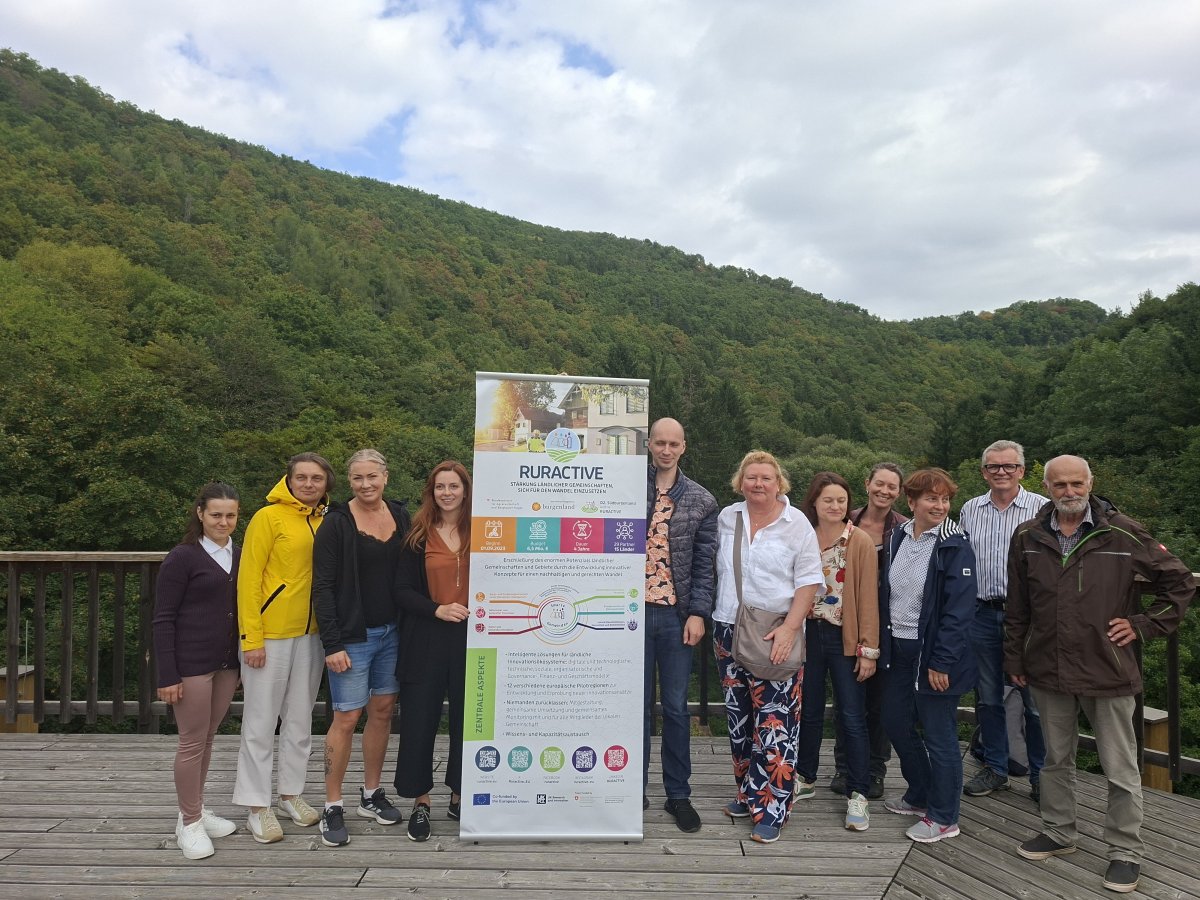
In Südburgenland, participants of the peer-to-peer exchange explored how rural communities can combine innovation, culture and sustainability to enhance quality of life. Over two days, 23 visitors engaged with local stakeholders, learning firsthand about 11 initiatives that address challenges ranging from mobility and renewable energy to climate adaptation and tourism development.
The exchange provided an opportunity to see how practical solutions are implemented in the region, including short value chains, nature-based and cultural tourism, and innovative approaches to public services. Participants gained insights into governance structures, financing models and operational strategies that make these projects successful.
Presented solutions
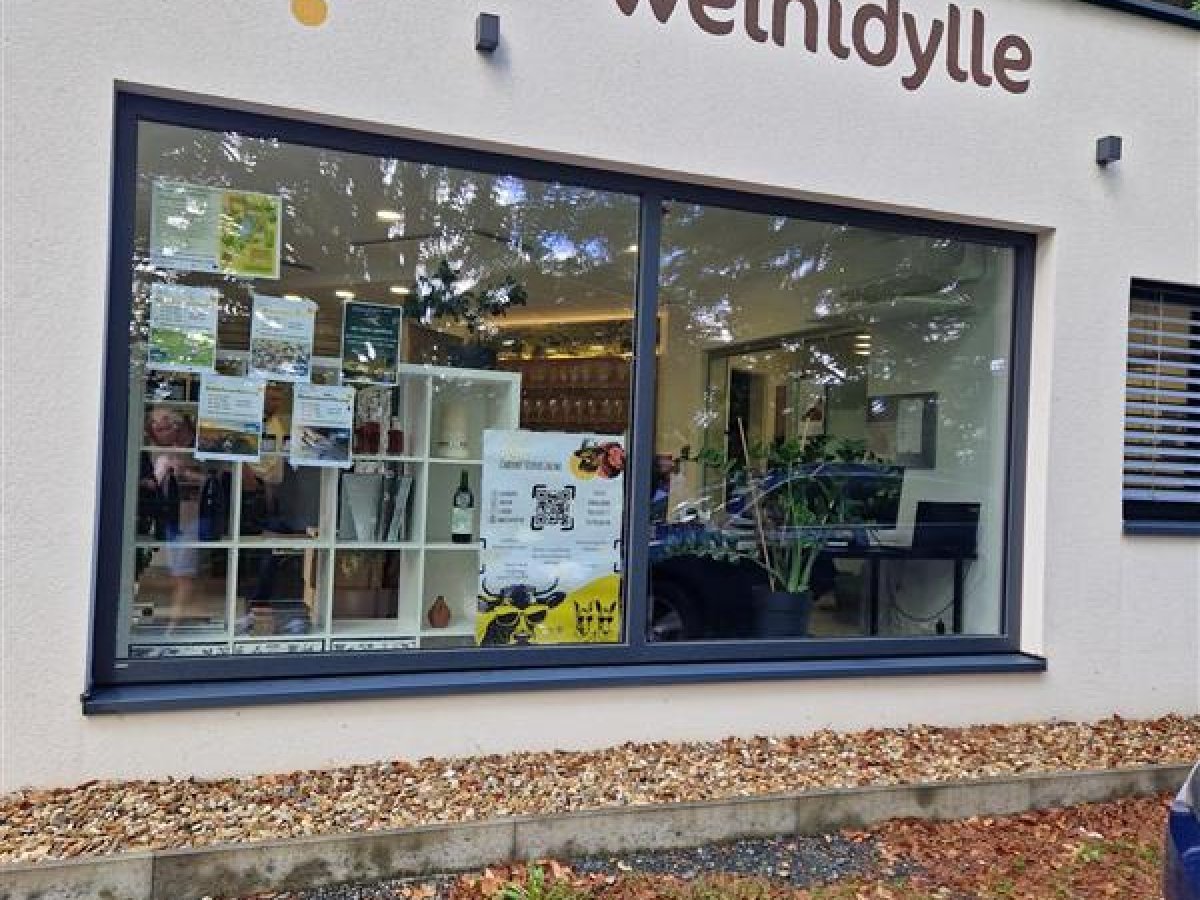
Nature Park “Weinidylle” & Kellerstöckl Initiative
Nature Park “Weinidylle” & Kellerstöckl Initiative
Conversion of traditional wine cellars (Kellerstöckl) into unique tourist accommodations. The initiative combines cultural heritage preservation with rural tourism development and strengthens the regional brand.
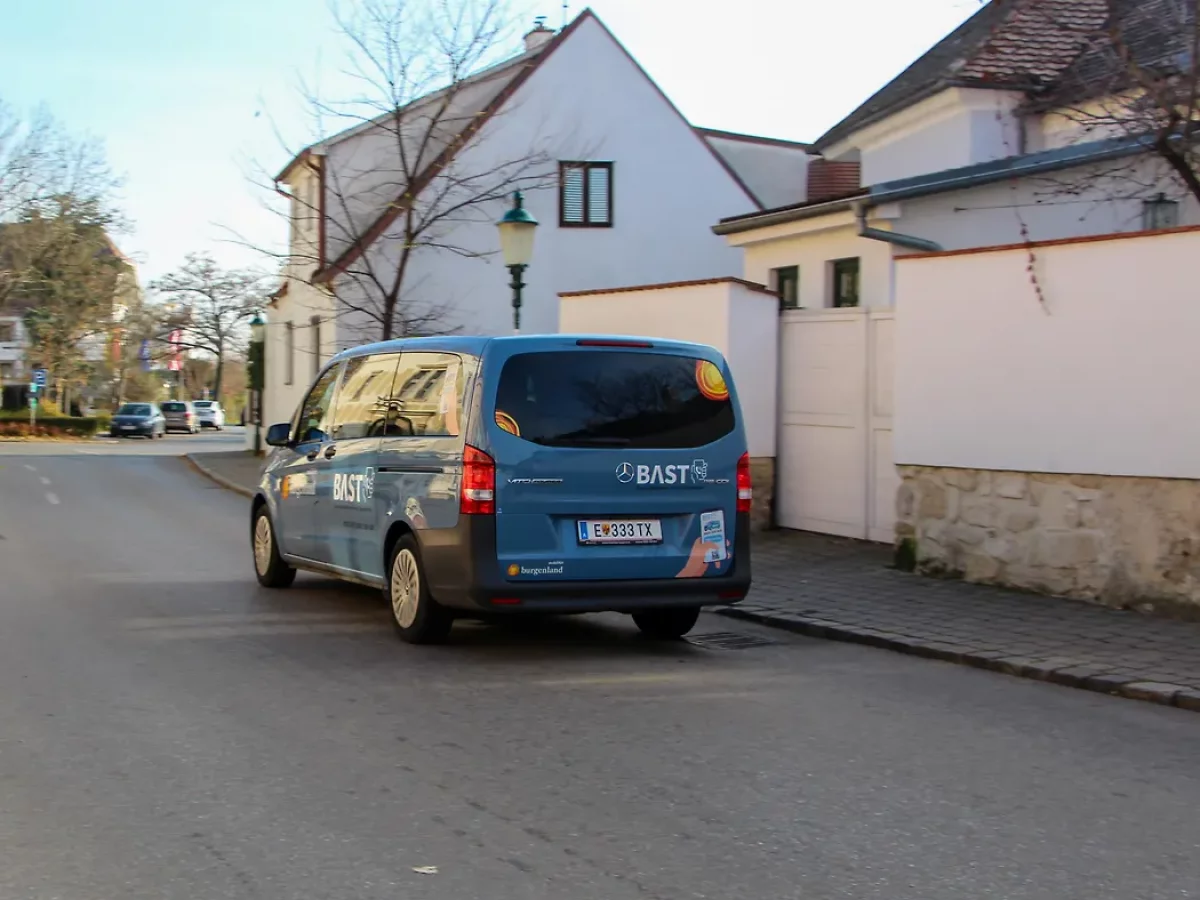
On-demand shared taxi service connecting smaller towns and villages, ensuring last-mile mobility where public transport is limited. Booking is required in advance; operates on fixed stops.
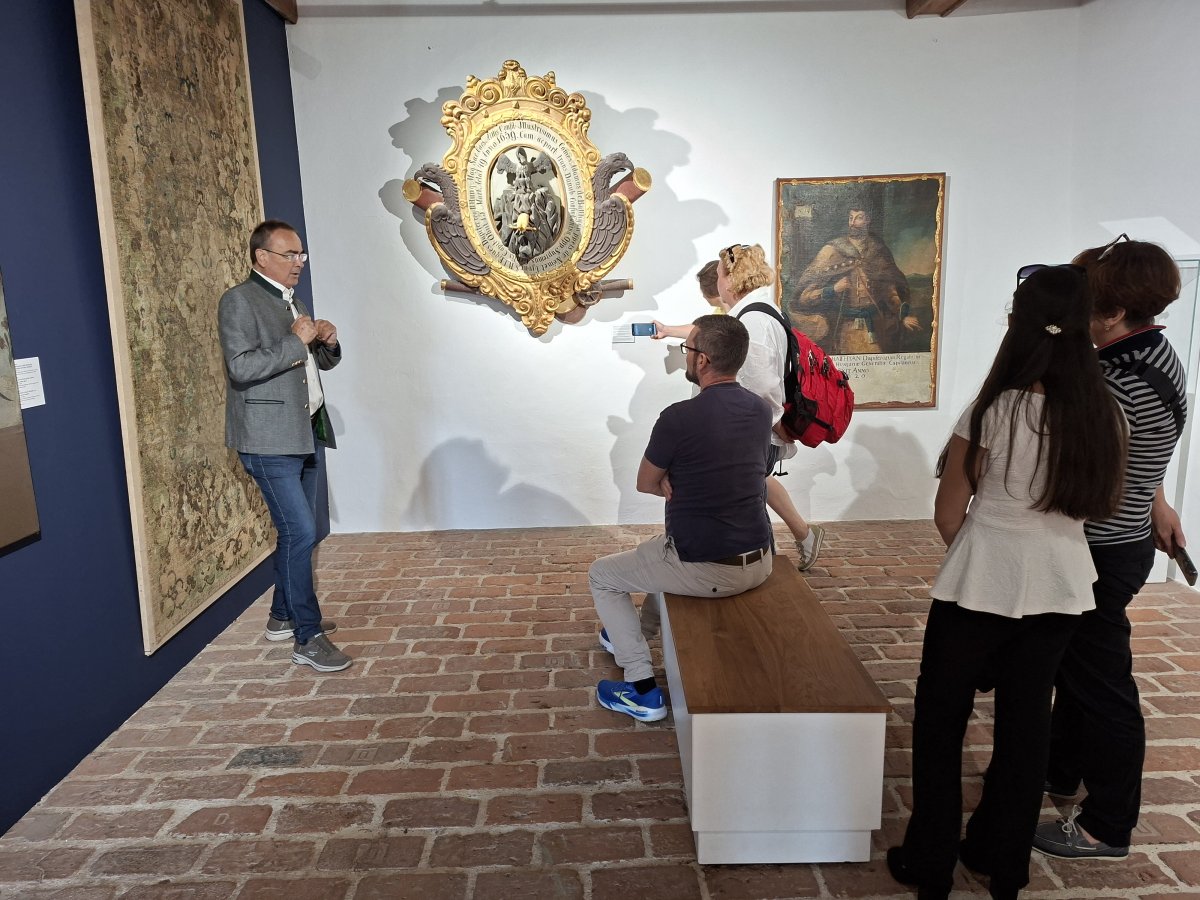
Guided tour of Güssing Castle and presentation of the Castle Road – a cross-border network of castles and palaces jointly developed and supported through Interreg funding. The initiative demonstrates how heritage sites can be linked for stronger regional identity and tourism development, with Güssing Castle serving as a flagship example.
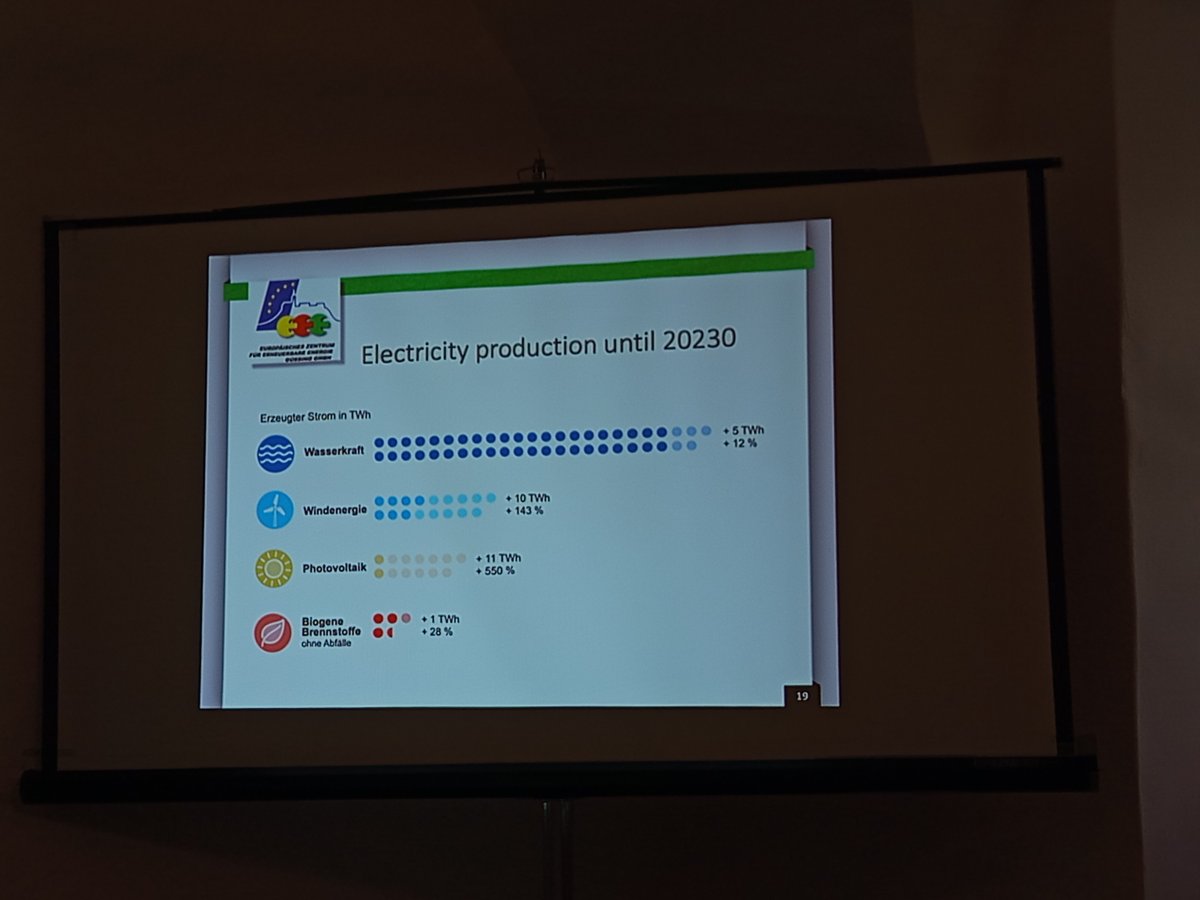
European Centre for Renewable Energy Güssing GmbH (EEE)
European Centre for Renewable Energy Güssing GmbH (EEE)
Presentation of the Climate and Energy Model Region (KEM) and Climate Change Adaptation Region (KLAR!) frameworks, flagship renewable energy projects and the development of renewable energy communities in Burgenland.
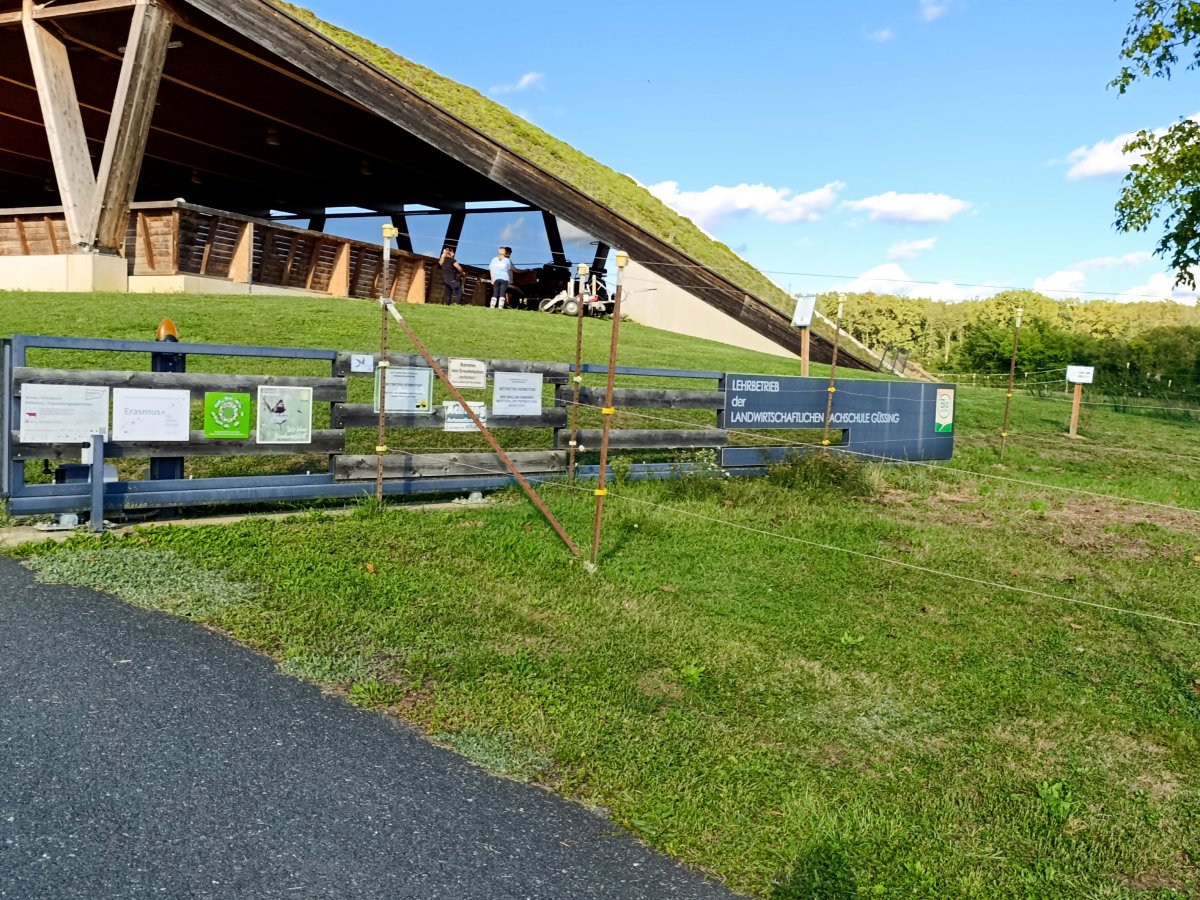
The Agricultural School in Güssing offers a practice-oriented education with a strong focus on sustainable agriculture and food processing. Students gain hands-on experience and are directly connected to local farms and businesses.
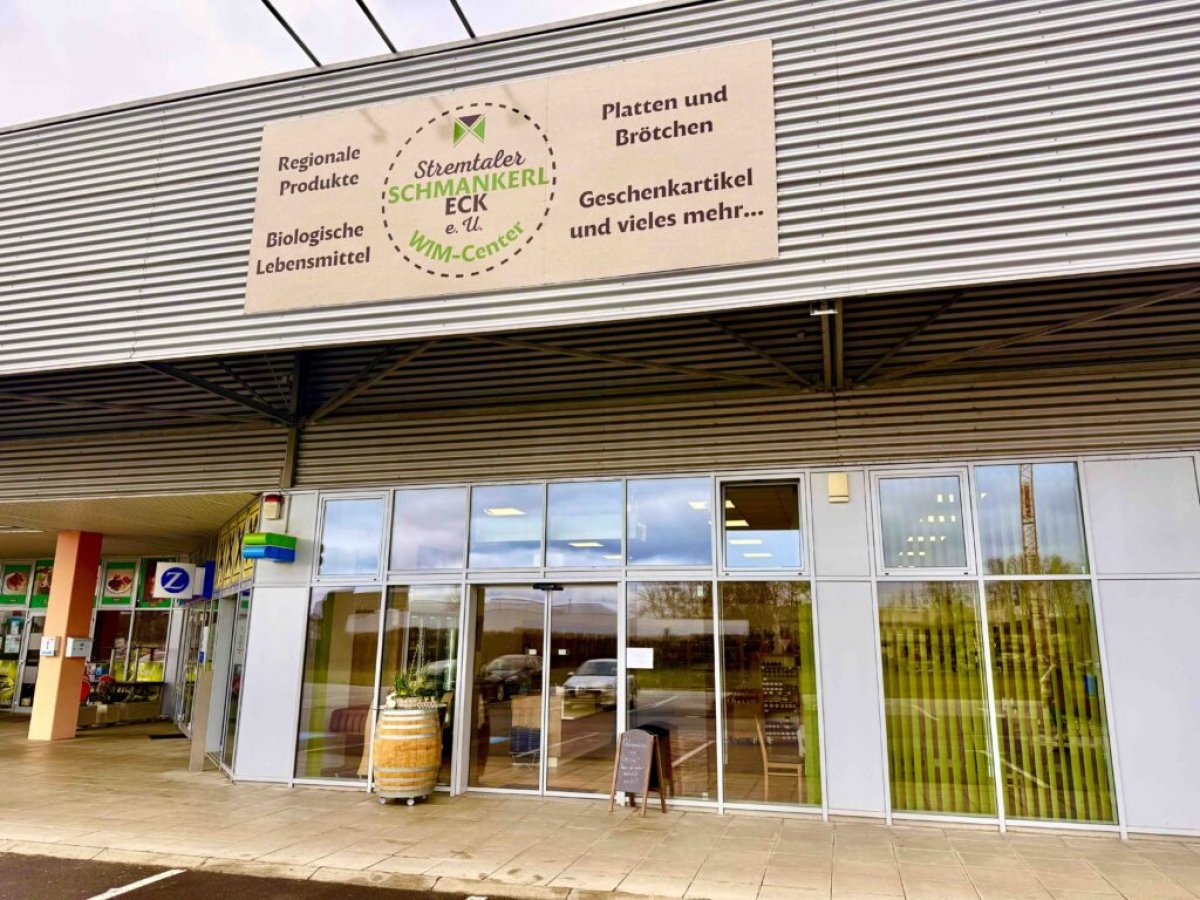
A cooperative farm-shop initiative originally founded by around 20 producers, now uniting over 60 local farmers. It promotes direct sales of fresh regional products (meat, dairy, baked goods, seasonal produce) and strengthens regional identity. Awarded “Farm Shop of the Year” in 2022.
Visit of the barrier-free observation tower and presentation on the construction of MTB trails using minimal-invasive methods in a protected area, combined with cross-border cooperation.
Burgenland Tourism presented its regional sustainability strategy and certification approach, highlighting how structured frameworks can enhance quality standards, strengthen destination branding, and support sustainable rural tourism.
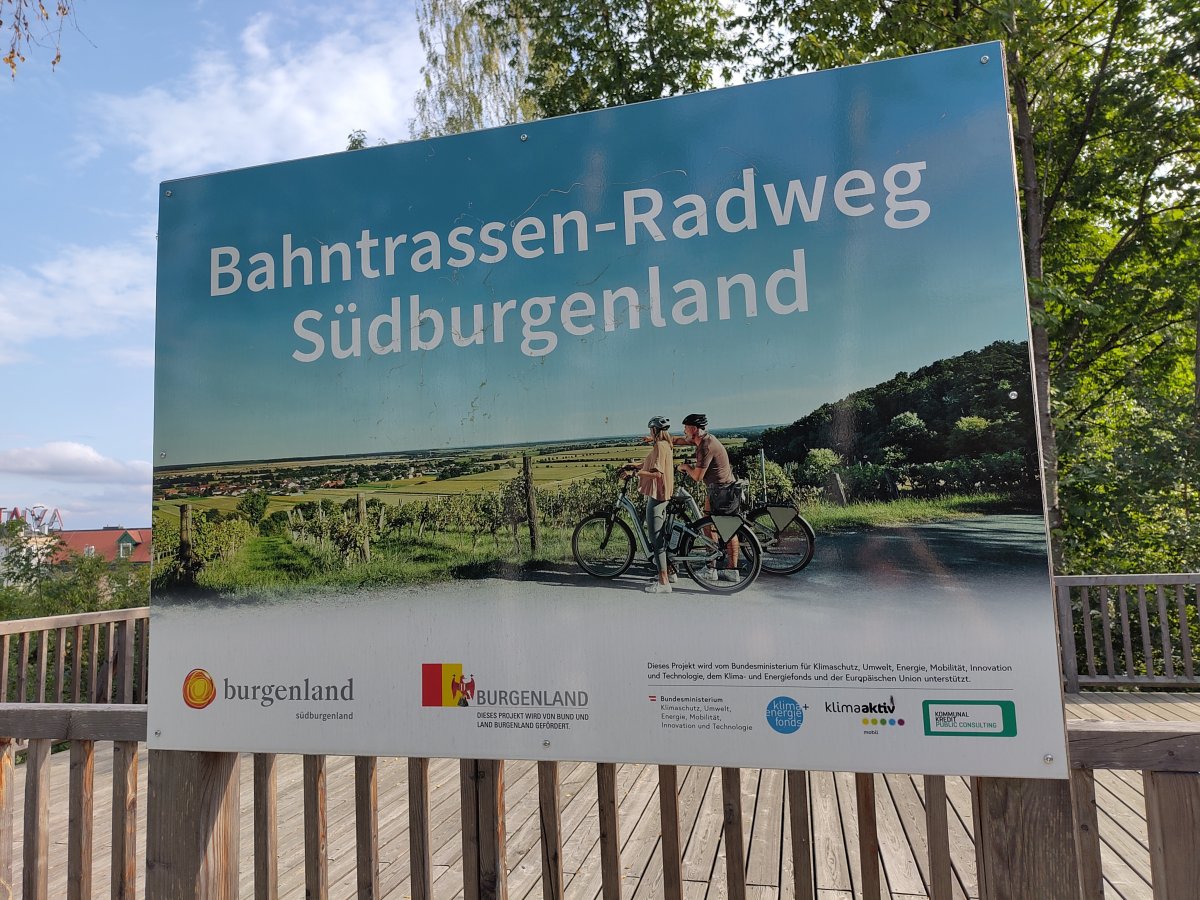
An easy e-bike route built on a former railway line, connected to our place-based solution “Green Food Cruiser”. The path demonstrates how disused infrastructure can be repurposed for active mobility and tourism.
Amtmann “KUHles ab Hof”: Innovative dairy farm with and 24/7 access for consumers. Amtmann “KUHles ab Hof”
Open-Air Museum “DAZUMAL” & Arkadenheuriger
Open-Air Museum “DAZUMAL” & Arkadenheuriger
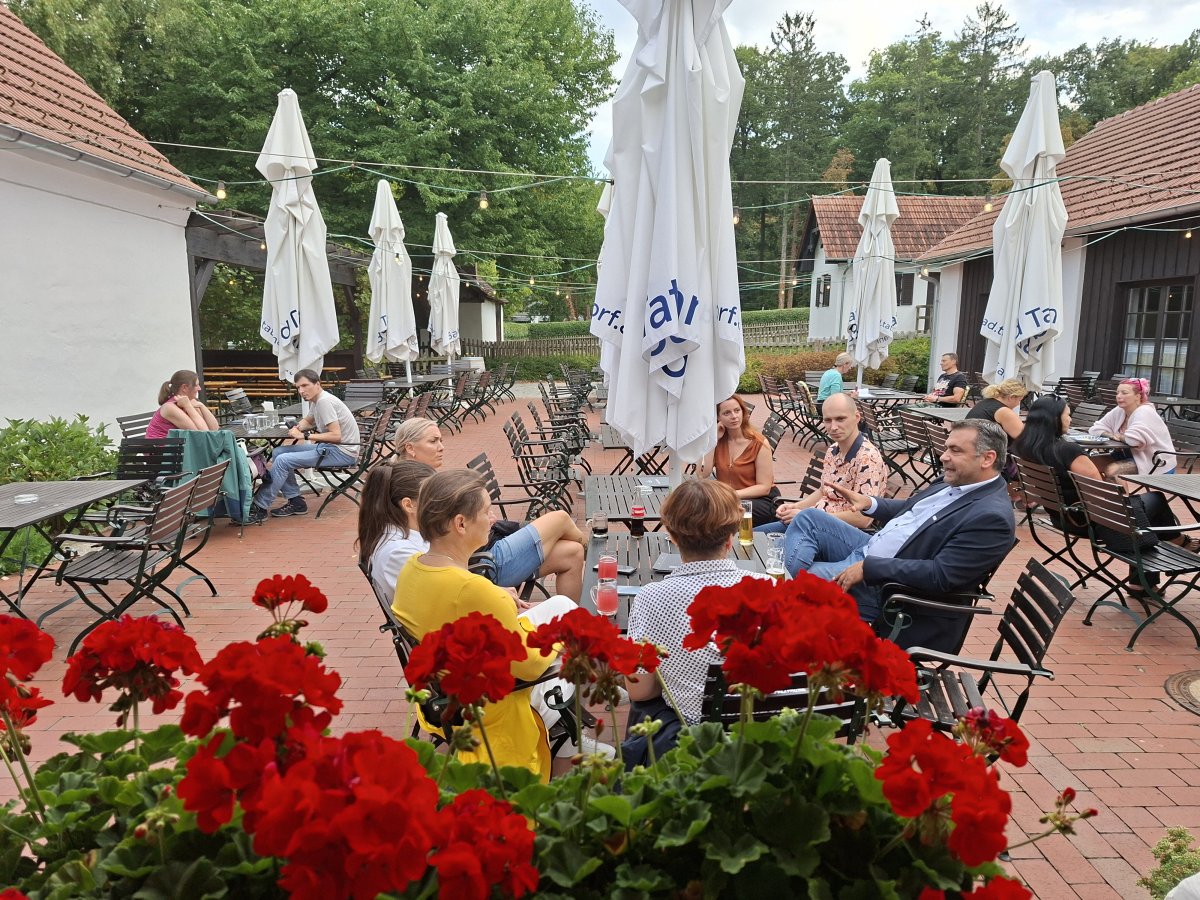
Combination of cultural heritage, rural architecture and gastronomy. The Arkadenheuriger showcases regional wine and food within a traditional open-air museum environment. In addition, the Mayor of Bad Tatzmannsdorf provided insights into the local spa business, underlining the strong role of health and wellness tourism for the region’s economy.
Local stakeholders involved in the peer-to-peer exchange
A broad coalition of stakeholders supported the site visits:
Nature Park Weinidylle presented the Wine Museum and explained the Kellerstöckl initiative, highlighting heritage preservation combined with rural tourism development.
Verkehrsbetriebe Burgenland (VBB) introduced and explained the operation of BAST (Burgenländisches Anrufsammeltaxi) as a flexible on-demand rural mobility solution.
European Centre for Renewable Energy Güssing GmbH (EEE): Their Managing Director presented the Climate and Energy Model Region (KEM), the Climate Change Adaptation Region (KLAR!), flagship renewable energy projects, and the establishment of renewable energy communities in Burgenland.
Castle Güssing: Their Castle Manager guided the tour of Güssing Castle and presented the Castle Road initiative, a cross-border cooperation network of castles and palaces supported by Interreg funding.
Stremtaler Schmankerl-Eck: Their Managing Director explained the development and functioning of the regional farm-shop network uniting over 60 local producers.
Agricultural School Güssing showcased the practice-oriented education model in sustainable agriculture and the integration of students into regional value chains.
Nature Park Geschriebenstein: Their Chairman presented the barrier-free observation tower and gave an overview of the park’s role in cross-border cooperation. Their Nature Educator & Biodiversity Expert shared insights into the educational work of the nature park, biodiversity initiatives, and explained the concept of the bird observation tower. He also explained the construction and maintenance of the mountain bike trail, including how it was designed and is cared for with minimal invasive methods.
Burgenland Tourism: Their Sustainability Officer presented the regional sustainability strategy and the associated certification approach for sustainable tourism development.
Biohof Unger: Their owner introduced the “Sauladen” farm shop, showcasing organic cured meat products and the innovative 24/7 self-service retail concept.
“KUHles ab Hof”: Their owner presented the innovative dairy farm with its 24/7 self-service shop.
Municipality of Bad Tatzmannsdorf Their Mayor spoke about the importance and operation of the local spa business, underlining its role in health tourism and the local economy.
Peer learnings and insights
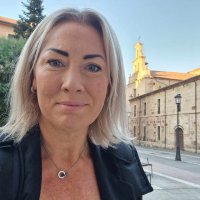
Therese WilhelmssonGotland (Sweden)
Therese Wilhelmsson
Gotland (Sweden)
Therese Wilhemsson from Region Gotland, Dynamo 11 Therese learnt during the exchange that…
regional or municipal funding is required in order for a mobility solution like BAST to work from an economic perspective.
BAST creates a fantastic opportunity and value for elderly people and those with limited mobility who don’t have access to a car—being able to travel in a smoother, more sustainable way and at a low cost.
the unmanned small farm shops are also very exciting, as they contribute both to the community and to the environment.