We use cookies on our website. Cookies help make the website more user-friendly, efficient, and secure.
Please select your cookie preferences
Strictly necessary cookies (always active)
Strictly necessary cookies are cookies required for the website to function and provide the basic information requested by the website user. These cookies are not used for tracking users.
YouTube cookies
YouTube cookies allow the playback of YouTube videos directly on our website. When YouTube cookies are used personal data or connection information, such as the IP address, may be transmitted to YouTube. By accepting YouTube cookies, you consent to the transfer of this data to YouTube. Please see our privacy policy for more information.
Peer-to-peer exchange in Zadar
April 2025
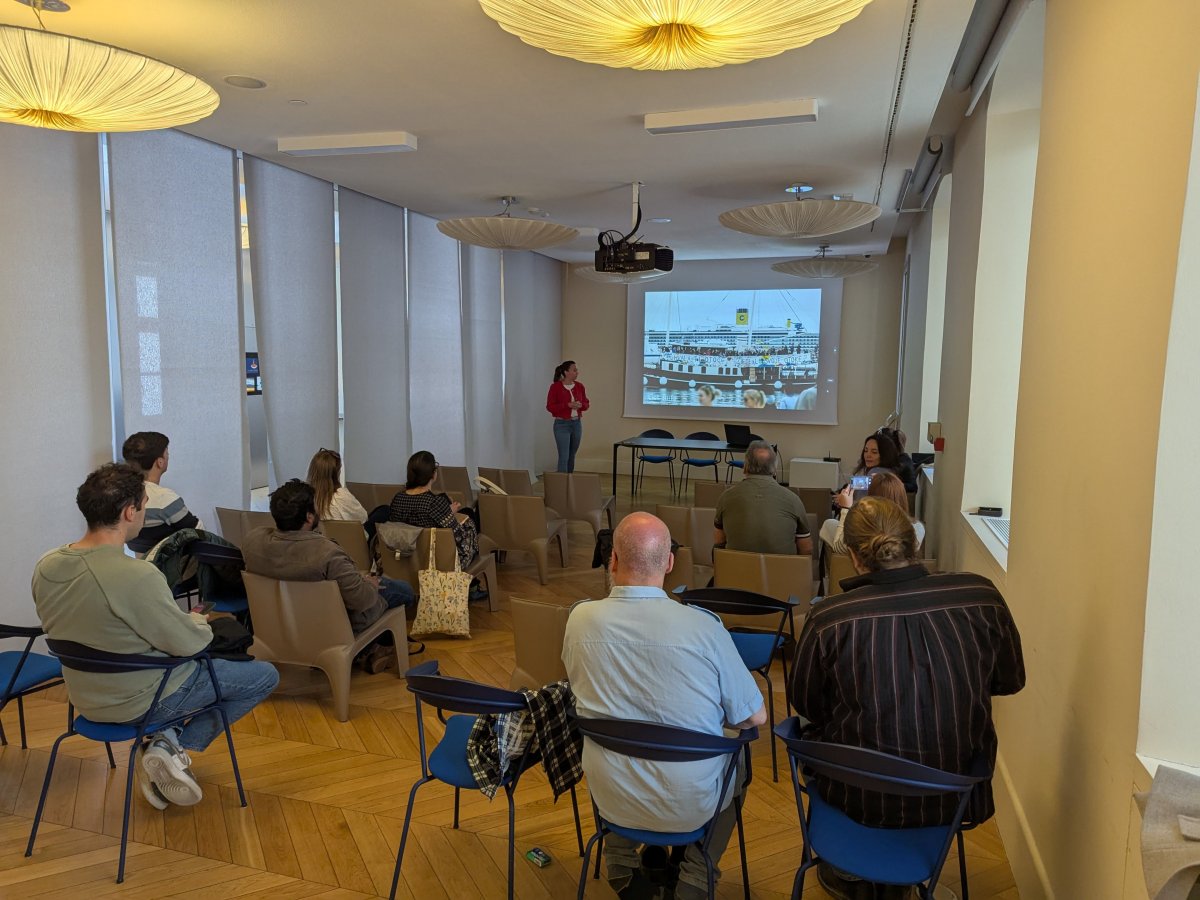
In Zadar, participants of the peer-to-peer exchange explored how rural and remote communities can respond to contemporary challenges through sustainable and innovative approaches. Over two days, 35 visitors engaged with local stakeholders to see firsthand how traditional sectors such as fishing and agriculture are being modernised using innovation and circular economy principles, particularly in areas with limited economic opportunities.
The exchange also highlighted how cultural heritage and tourism infrastructure can serve as strategic assets for regional development and community identity, and how local initiatives in renewable energy and climate resilience foster awareness and local engagement. By observing projects in action and discussing their implementation with practitioners, participants gained insights into practical strategies for local value creation, climate action, and inclusive rural development, while also drawing inspiration for applying similar approaches in their own regions.
Presented solutions
Fishing Trade Milivoj Blaslov/Provir
Fishing Trade Milivoj Blaslov/Provir
Sustainable Fisheries, Marine Conservation, and Community Innovation through Circular Economy
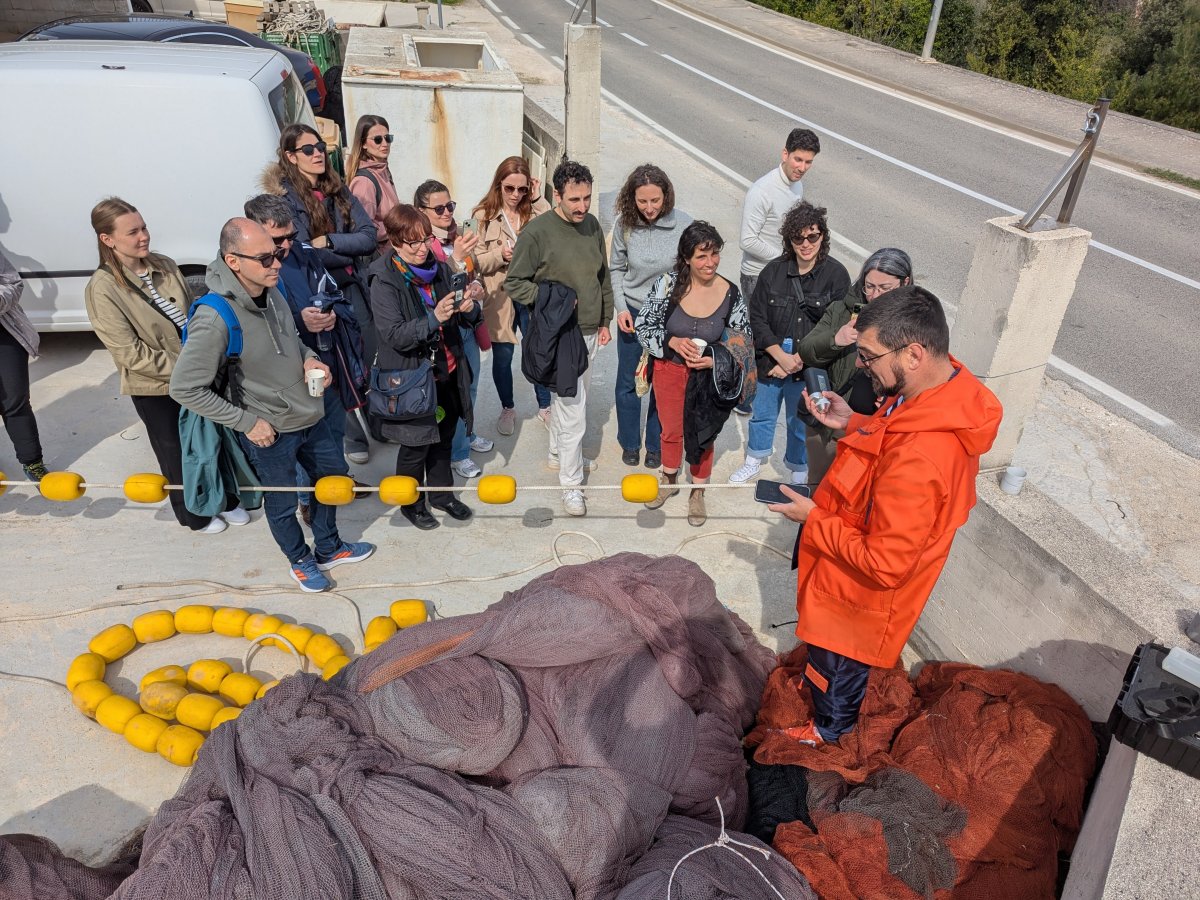
Drawing on inherited knowledge and skills, combined with a contemporary vision of what a trade business should represent in the 21st century, the local team has embraced new technologies to develop an innovative project called Provir. This initiative aims to diversify income sources by reducing reliance on the exploitation of natural marine resources. In practical terms, this involves decreasing the catch of small pelagic fish, while compensating for the resulting reduction in revenue through the development of a new tourism offering. A notable collaboration emerged with Krie Design, a globally recognised sustainable fashion brand, which joined forces with the Provir initiative in the creation of the textile fiber ECONYL®. This fiber is produced through the recycling of discarded fishing nets and other nylon waste, and the project highlights the environmental importance of sea-cleaning efforts while also generating added value through circular economy practices. Beyond the environmental impact, the collaboration between Krie Design and Provir has resulted in the creation of a new fashion collection for both men and women, incorporating ECONYL® fiber. The production of garments from coastal and marine waste conveys a powerful and accessible message, engaging wider audiences through the medium of fashion.
ECONYL® is a textile fiber made through an advanced regeneration process that transforms recovered fishing nets and other forms of nylon waste into high-quality raw materials.
Additionally, to further promote environmental awareness among younger generations, the owner of the Provir project has authored and published two illustrated children’s books. These publications serve as educational tools, creatively introducing children to marine conservation, sustainable practices, and the importance of protecting natural resources.
In early 2023, the team also launched the Provir SEA R.C.H. initiative, accompanied by the development of the SEA R.C.H. mobile application. The aim of this project is to encourage responsible behaviour towards nature by enabling users—particularly fishermen and coastal communities—to report and geolocate lost or intentionally discarded fishing gear in the sea or natural environment. Through the app, such waste can be logged and pinpointed, after which the Provir team uses its own logistical resources to retrieve the materials and ensure their proper disposal or recycling. This innovative tool enhances community involvement in marine conservation and supports efforts to reduce ghost gear pollution in the Adriatic.
Local Entrepreneurship and Authentic Island Experience: The Longin Brothers' Vision
Nino and Lari Longin are developing a unique offer that highlights authentic island products and experiences for visitors. They plan to provide guests with locally produced goods, including homemade olive oil, wine, vegetables, and soon, cheese. A key feature of their initiative is involving guests directly in traditional olive harvesting using the old-style traverša method. After the harvest, visitors are guided through the olive oil production process, allowing them to learn firsthand about the transformation from fruit to oil. The experience culminates in a shared meal featuring dishes made from the guests’ own harvest, with each participant receiving a portion of the olive oil as a takeaway.
Currently managing 200 olive trees and recently expanding with an additional 180, Nino emphasises the importance of authenticity, noting that many visitors lack access to organic food in their home countries. Their goal is for all products to originate from the island—preferably from Kali itself, or if not possible, from neighbouring communities.
The Longin brothers embody a successful alternative to island depopulation, proving that staying and investing locally can create sustainable opportunities. They highlight the untapped potential of the island and encourage boldness and commitment to transform ideas into viable businesses.
Their story is a testament to how youth, tradition and entrepreneurial spirit can thrive in small communities, with a firm focus on quality and authenticity. With plans to expand, their journey has only just begun.
Archaeological Heritage and Sustainable Tourism on the Island of Ist
The project on the island of Ist aims to connect archaeological heritage with cultural tourism, contributing to the island’s sustainable development. Motivated by the limited archaeological research in the Zadar archipelago, the initiative focused on documenting and presenting previously unexplored sites on Ist. To make the heritage accessible, locations were presented in situ, along restored walking paths that now serve as educational trails. While an online guide is available, the full experience is intended to be lived on the island, through direct exploration of the landscape and historical traces. This initiative aligns with the mission of the International Centre for Underwater Archaeology in Zadar (MCPA Zadar), which is dedicated to protecting, researching and promoting underwater cultural heritage in Croatia. The Centre also supports international cooperation and education in line with the UNESCO Convention on the Protection of the Underwater Cultural Heritage.
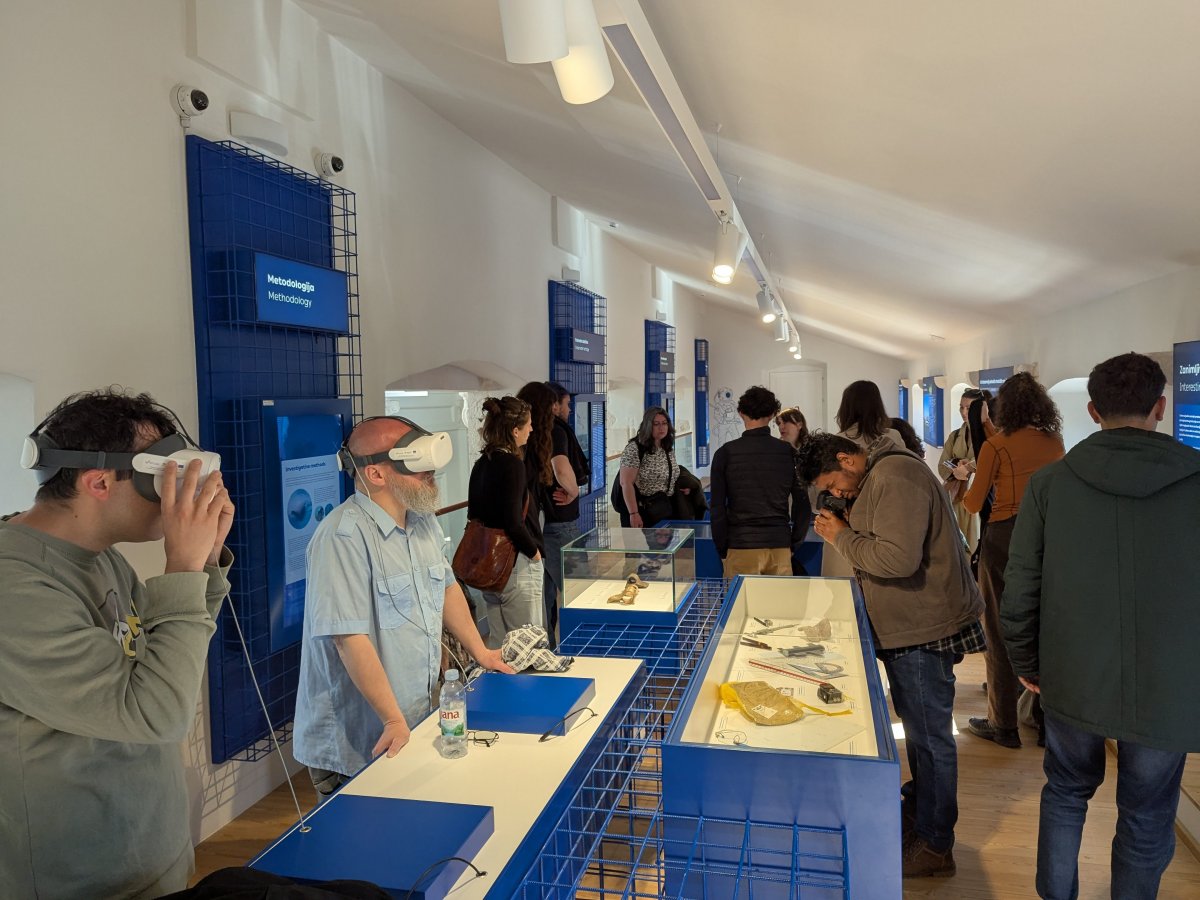
MCPA Zadar is housed in the renovated complex of the former Church and Monastery of St. Nicholas, co-financed by the EU. It features the St. Nicholas Educational and Presentation Centre, which includes a permanent exhibition of Croatian underwater archaeology, interactive digital content (VR, tactile screens) and spaces for temporary exhibitions, workshops and public events. The Centre is fully accessible and all content is available in English.
Energy transition on the Zadar islands
Energy transition on the Zadar islands
Promoting Renewable Energy on Small Islands: Awareness and Capacity Building in the Zadar Archipelago
The project, implemented by the Movement of Islands organisation, marked an important first step in raising awareness and informing residents of the inhabited islands of the Zadar archipelago about the potential for integrating renewable energy sources (RES) into their communities.
The initiative was carried out in three key phases:
Mapping the current situation: an assessment of energy needs and existing infrastructure to provide a foundation for future RES implementation.
Awareness-raising and education:through public lectures and training sessions focused on the practical application of RES technologies in small island settings.
Technical support: including assistance in preparing project proposals for identified stakeholders. As part of this phase, informational brochures were created and distributed to facilitate further community engagement.
Through this structured approach, the project laid the groundwork for long-term energy transition and sustainability on small Croatian islands.
ArhipelaGo project
ArhipelaGo project
The ArchipelaGO project is a collaborative active tourism initiative uniting nine local tourist boards from the Zadar archipelago: Preko, Sali, Pašman, Kali, Kukljica, Tkon, Božava and Silba, alongside the Zadar Tourist Board, which includes the islands of Iž, Rava, Olib, Premuda, Molat and Ist. The project promotes outdoor and nature-based tourism across the islands, encouraging sustainable travel and inter-island cooperation. In recognition of its innovative approach and impact, ArchipelaGO received several accolades in the previous year:
Award for Active Tourism from the Croatian National Tourist Board
Recognition from the Zadar County Tourist Board
Second place at the prestigious ART&TUR International Tourism Film Festival in Portugal for its promotional film.
These achievements underscore the project’s success in positioning the Zadar islands as a compelling destination for active and sustainable tourism.
Local stakeholders involved in the peer-to-peer exchange
A broad coalition of stakeholders supported the site visits:
The manager of the business and projects at Provir, SEA.R.C.H., and Provir x Krie, presented the aforementioned projects. During the presentation, he provided detailed insights into the objectives, scope and expected outcomes of each project.
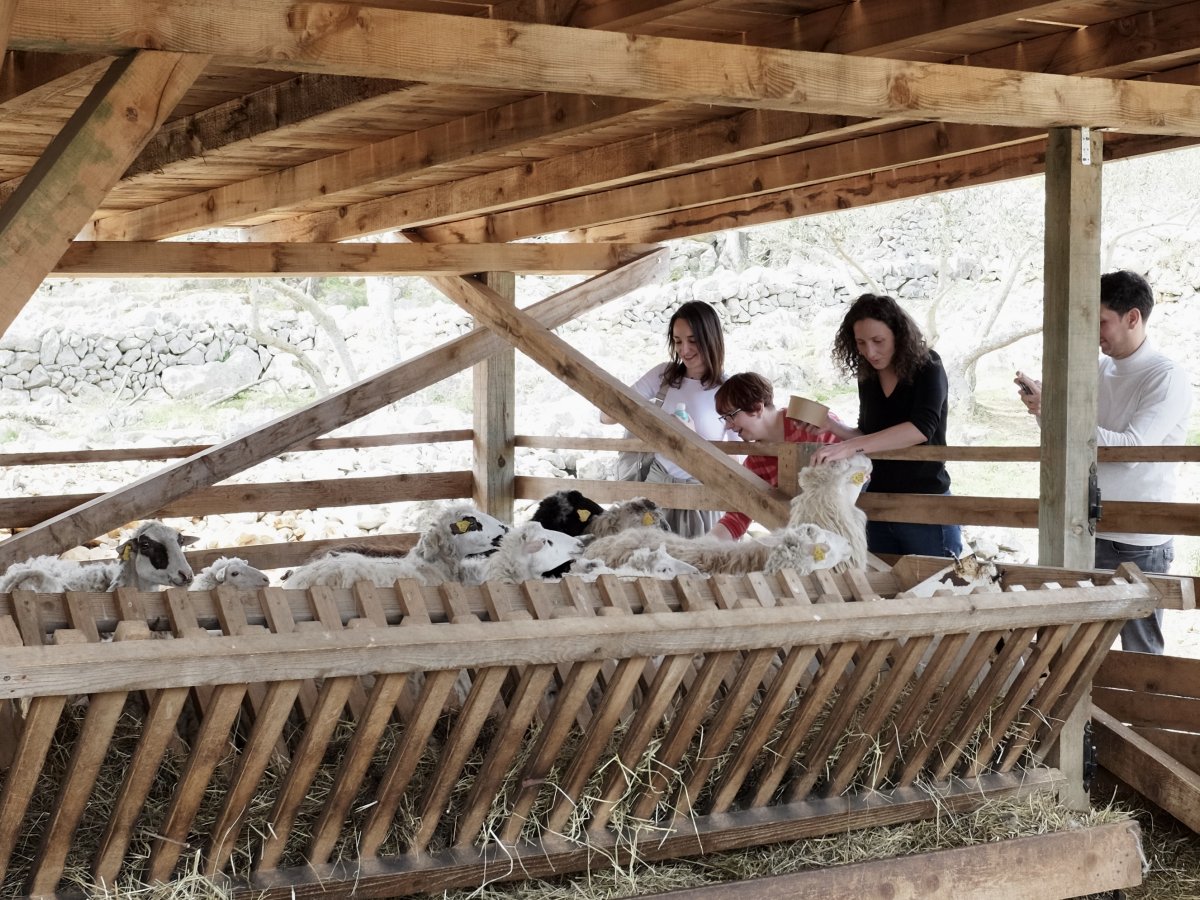
The owner of the family farm OPG Lungić, together with his family, presented their agricultural activities and locally produced goods. During the visit, he provided an overview of the farm's operations, highlighting the importance of local production and sustainable agricultural practices. As part of the visit, participants had the opportunity to taste a variety of local products and enjoy a traditional lunch at the family’s local restaurant, Srdela Fish and Snack. This experience offered valuable insights into the integration of local food production with tourism and hospitality, showcasing a successful example of rural entrepreneurship and community-based development.
A representative of the International Centre for Underwater Archaeology and project manager of the restoration project Educational and Presentation Centre for Underwater Archaeology St. Nicholas, presented the ongoing restoration efforts of the complex. During the presentation, she provided an overview of the project’s objectives, stages of implementation and its cultural and educational significance. She also introduced the work and project relevant to the RURACTIVE thematic, of the International Centre for Underwater Archaeology, including its international collaborations, research activities and current projects focused on the preservation and promotion of underwater cultural heritage.
A member of the association Pokret Otoka, resident of the island of Silba (also member of the RURACTIVE local task force), presented the work of the association and her personal engagement in addressing key issues affecting island life. In her presentation, she provided an overview of Pokret Otoka’s mission, ongoing activities and community-based initiatives aimed at supporting sustainable development on Croatian islands. She highlighted the association’s everyday efforts to advocate for islanders’ needs, particularly in the areas of renewable energy, environmental protection and community empowerment. Special emphasis was placed on the project "Promoting Renewable Energy on Small Islands: Awareness and Capacity Building in the Zadar Archipelago".
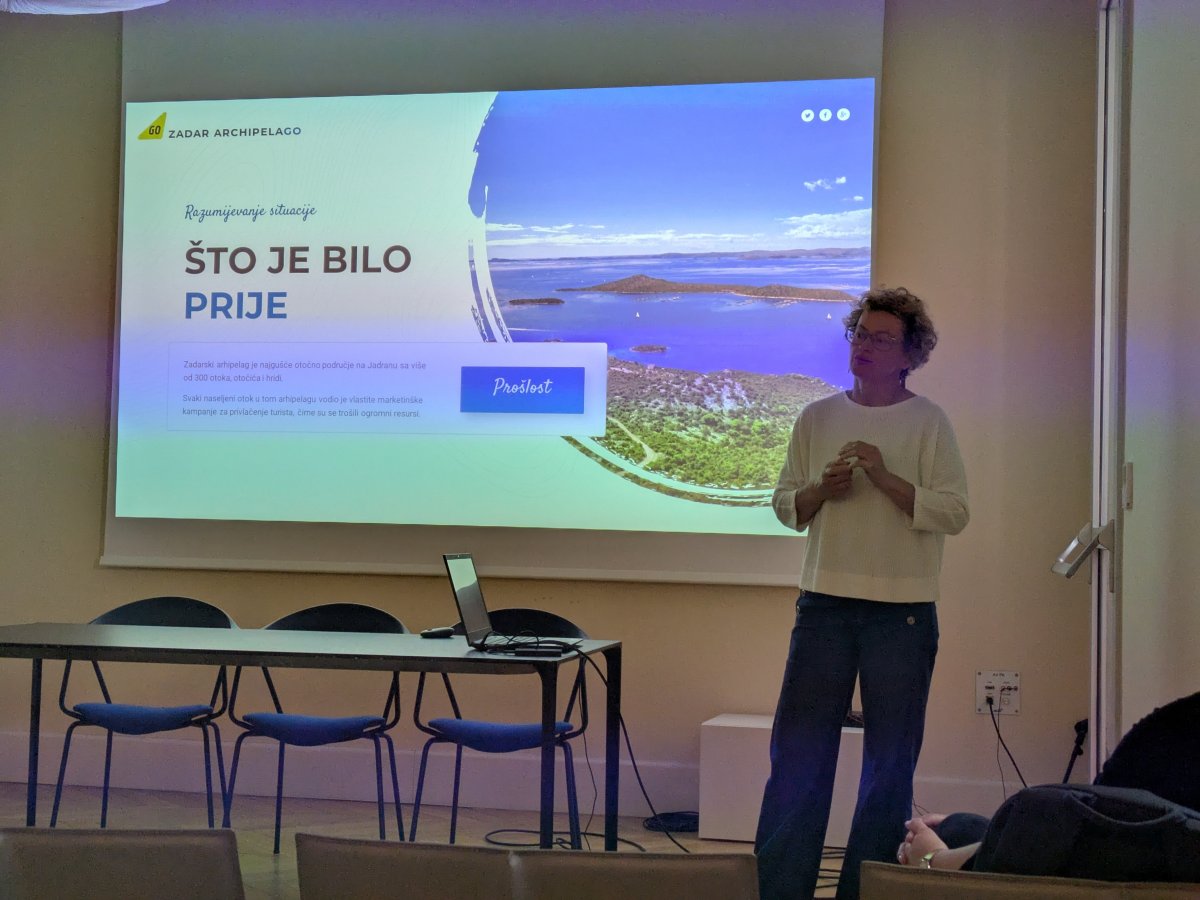
The Director of the Zadar Tourist Board (also member of the RURACTIVE local task force), presented the ArhipelaGO project. As part of her role at the Zadar Tourist Board, she is responsible for the strategic planning and promotion of Zadar as a sustainable and competitive tourist destination. The institution works to develop year-round tourism, support local initiatives, and enhance the visibility of cultural, natural and gastronomic assets of the wider Zadar region, including the archipelago. In her presentation, she introduced the ArhipelaGO project, which focuses on fostering sustainable tourism practices across the islands of the Zadar archipelago. At the conclusion of her presentation, she warmly invited all participants to attend the gala dinner organised as part of the Tuna, Fish & Wine Festival in Zadar – an event that celebrates the region’s maritime heritage and culinary excellence and serves as a platform for networking and cultural exchange.
Peer learnings and insights
Nina PeischlSüdburgenland (Austria)
Nina Peischl
Südburgenland (Austria)
Nina Peischl from Südburgenland, Dynamo 2 Nina shares her learnings from the exchange:
The peer-to-peer exchange in Zadar provided deep and personal insights into how local initiatives can shape rural and island communities. While many visits were informative, the most inspiring experience for me was the encounter with Provir—not only because of the innovative idea, but because of the personal story behind it.
Here are five key lessons I took away:
Personal commitment can create lasting impact – and a business model The visit to Provir made a lasting impression on me. What started as one man’s personal concern about what to do with old fishing nets has turned into a well-thought-out process: collecting, analysing, sorting and delivering suitable materials for recycling. His collaboration with Aquafil in Slovenia allows the nets to be turned into Polyamide 6, used in products like textiles and packaging. While the project does not yet generate profit, it has clear potential to grow into a sustainable business model. This blend of environmental value and entrepreneurial thinking really impressed me. It also made me reflect on the untapped opportunities in my own region, where agricultural and natural materials could be reused or upcycled in similarly meaningful ways.
Change often starts with one person – and can grow into a movement A similar lesson came from the Movement of Islands initiative, which promotes renewable energy and sustainability across the Zadar islands. It was impressive to see how a small, citizen-driven idea has grown into a structured programme with mapping, education and technical support. Like Provir, this reminded me that local energy and passion can trigger broader transformations—especially when combined with persistence and clear communication.
Local conversations bring valuable context During a walk to the restaurant, I had the opportunity to talk at length with the owner of Provir. He gave me honest insights into the daily realities of island life, including challenges like limited access to services and the need to create local jobs. This exchange was extremely valuable and reminded me of how important it is to listen to locals when working on regional development strategies.
Cultural and natural resources are key for active tourism The ArhipelaGo project was a great example of how nature-based activities such as cycling, hiking and kayaking can be bundled into a strong regional tourism product. The cooperation between several islands and municipalities showed how local actors can join forces to raise visibility and quality of experience for visitors. It offered good ideas for tourism development also in inland rural areas.
Multifunctional spaces can bring new life to rural heritage One key insight for me was how existing infrastructure—especially heritage buildings—can be revitalised when combined with new functions. The transformation of a former church into the Underwater Archaeology Center in Zadar showed how multifunctionality can create value beyond tourism alone. The space now serves as a museum, event location, and cultural venue, attracting both locals and visitors. This approach offers inspiration for rural areas facing building vacancies or underused public spaces.
Different systems offer new perspectives—even when you don’t agree with them A side conversation about the Croatian school system caught my interest. I learned about the Croatian school system, where many schools operate in shifts. As someone with a background in business education, I wouldn’t consider this an ideal solution, but it was interesting to hear how infrastructure challenges are managed differently in other regions. Even when you don’t agree, these kinds of insights help you reflect on your own system with fresh eyes.